
Views: 0 Author: Site Editor Publish Time: 2026-07-20 Origin: Site


Your bathroom does a lot of work. It's where mornings begin and evenings wind down, yet it's often the last room to get a thoughtful upgrade. A well-chosen metal medicine cabinet changes that. More than just a place to stash bandages and aspirin, today's metal medicine cabinets deliver real storage utility without sacrificing style—and they hold up where other materials fall short.
This guide covers three key topics: how wall-mounted medicine cabinets free up valuable space, what makes metal the superior material choice, and why mounting your cabinet on a side wall might be the smartest layout decision you make. Read on to find the setup that works best for your bathroom.
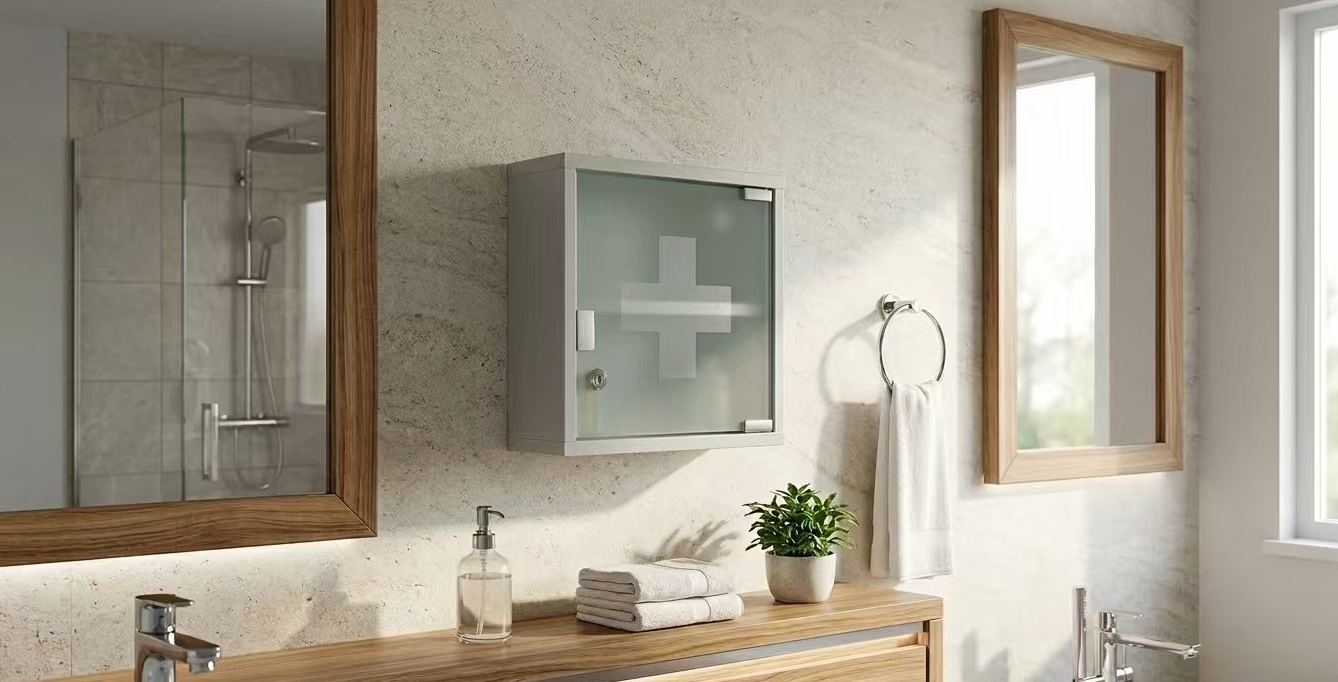
Floor space in a bathroom is precious. A wall-mounted metal medicine cabinet reclaims vertical real estate that would otherwise go unused, keeping countertops clear and the room feeling open.
Unlike freestanding units that can tip, slide, or take up awkward floor area, a wall-mounted cabinet stays fixed and secure. Metal frames and mounting hardware provide the structural rigidity to stay firmly anchored, even when the cabinet is fully loaded with bottles, tubes, and first-aid supplies.
Wall-mounted designs also tend to integrate a mirror, which doubles the functional value of a single fixture. One unit handles storage, grooming, and reflection—without requiring additional wall hooks, shelf brackets, or countertop organizers.
For smaller bathrooms especially, a wall-mounted metal cabinet is a practical first step toward a cleaner, more organized space.
Not all medicine cabinets are built equally. The material you choose has a real impact on lifespan, maintenance, and appearance over time. Here's how metal stacks up against the two most common alternatives:
Feature | Metal Medicine Cabinet | Wood Cabinet | Plastic Cabinet |
|---|---|---|---|
Moisture resistance | High | Low–Medium | Medium |
Durability | High | Medium | Low |
Weight capacity | High | Medium | Low |
Aesthetic versatility | High | Medium | Low |
Maintenance required | Low | High | Low |
Lifespan | Long | Medium | Short |
Metal—particularly galvanized or powder-coated steel—resists the humidity and temperature fluctuations that are constant in bathrooms. Wood warps. Plastic yellows and cracks. Metal neither warps nor discolors under normal bathroom conditions, making it the most reliable long-term option.
Powder-coated finishes add another layer of protection, sealing the surface against corrosion while offering a range of color options from matte black to brushed silver. The result is a cabinet that looks sharp on day one and continues to look sharp years later.
Before choosing a cabinet, it helps to understand what distinguishes a high-quality metal unit from a basic one.
Fixed shelves limit how you can organize tall bottles or irregularly shaped items. Adjustable shelves let you reconfigure the interior as your needs change.
prevent slamming and reduce wear on the cabinet frame. Over years of daily use, this detail makes a meaningful difference.
Some cabinets include basic reflective glass, while others offer anti-fog or beveled mirrors that add a more refined look.
Recessed cabinets sit flush with the wall for a seamless look, while surface-mounted options are easier to install and work well on tile or solid walls where cutting into the wall isn't practical.
The default assumption is that a medicine cabinet belongs directly above the sink. For many bathrooms, that works well. But side-wall placement is an often-overlooked option that solves several common layout problems.
Placing a metal medicine cabinet on a side wall makes sense when:
The wall above the sink is occupied by a light fixture or ventilation fan
The vanity mirror is too large or decorative to be replaced
The bathroom has an awkward layout where centered placement feels forced
Multiple users need simultaneous access to the mirror and cabinet
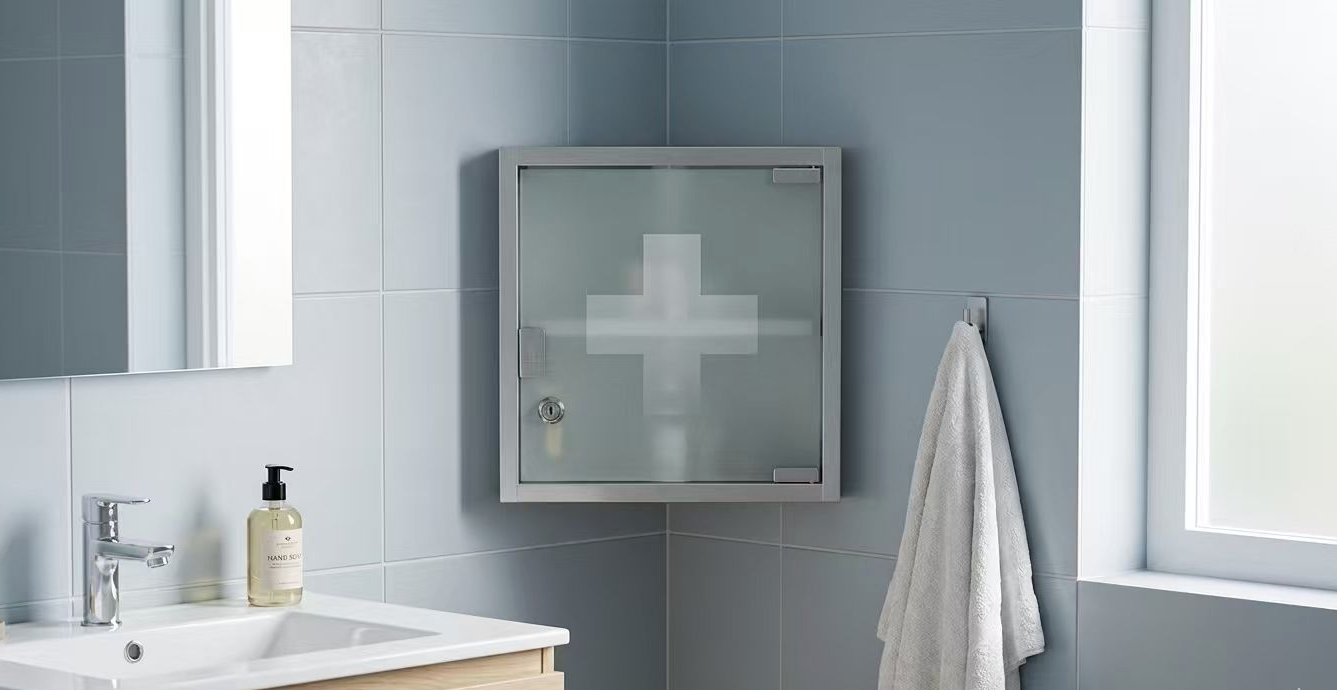
A side-wall cabinet doesn't compete with your main mirror—it complements it. Position the cabinet at eye level on the adjacent wall, and it becomes a secondary grooming and storage station. In shared bathrooms, this setup reduces morning congestion considerably.
Side-wall mounting also gives you more flexibility with lighting. Without the cabinet directly above the sink, you can install sconces or a horizontal light bar above the vanity mirror for more flattering, even illumination.
The installation process for a side-wall metal cabinet is essentially the same as any wall-mounted unit. Locate the studs, use appropriate anchors if needed, and ensure the cabinet is level. Metal construction keeps the unit rigid during mounting, which simplifies alignment.
What is the best material for a bathroom medicine cabinet?
Metal is generally the best material for bathroom medicine cabinets because it resists moisture, doesn't warp in humid conditions, and supports heavier loads than wood or plastic. Powder-coated or galvanized steel options offer the strongest corrosion resistance.
How do you mount a medicine cabinet on a side wall?
To mount a metal medicine cabinet on a side wall, locate wall studs using a stud finder, mark the desired height (typically at eye level), drill pilot holes, and secure the cabinet with appropriate screws. If studs aren't available at the ideal position, use heavy-duty wall anchors rated for the cabinet's weight.
What is the difference between a recessed and surface-mounted medicine cabinet?
A recessed medicine cabinet is installed inside the wall cavity, sitting flush with the wall surface for a built-in look. A surface-mounted cabinet attaches directly to the wall surface and projects outward. Recessed models require cutting into the wall but offer a cleaner finish; surface-mounted models are easier to install and work on any wall type.
How much weight can a metal medicine cabinet hold?
Weight capacity varies by model and mounting method. Most metal medicine cabinets are designed to hold between 20 and 50 pounds when properly anchored into wall studs. Always check the manufacturer's specifications and use appropriate hardware for your wall type.
Can a metal medicine cabinet rust in a humid bathroom?
A well-finished metal medicine cabinet should not rust under normal bathroom conditions. Look for cabinets with powder-coated or galvanized finishes, which create a protective barrier against moisture and corrosion. Avoid units with exposed raw metal edges, which are more vulnerable to rust over time.
A metal medicine cabinet is one of those upgrades that quietly improves everyday life. The clutter disappears. The bathroom feels more organized. The right finish ties the room together. And because metal construction holds up over years of daily use, you choose it once and forget about replacing it.
Wall-mounted models keep floor space open. Side-wall placement solves layout challenges that centered installation can't. And metal as a material simply performs better in a bathroom environment than the alternatives—resisting moisture, maintaining its finish, and supporting real storage weight without bending or breaking down.
To summarize: when choosing a metal medicine cabinet, prioritize powder-coated or galvanized steel for moisture resistance, adjustable shelving for flexibility, and secure wall-stud mounting for long-term stability. Whether you mount it above the sink or on a side wall, the right metal medicine cabinet delivers reliable function and a clean, lasting aesthetic.
TL;DR: Metal medicine cabinets combine durability, organization, and clean aesthetics in one bathroom essential. Wall-mounted models save floor space, side-wall placement maximizes layout flexibility, and metal construction outperforms wood in moisture-heavy environments—making them a smart upgrade for any bathroom.


