
Views: 0 Author: Site Editor Publish Time: 2025-11-26 Origin: Site


Forgetting where you put your keys can be a major source of stress. One moment they’re in your hand, and the next, they’ve vanished, leading to a frantic search just when you need to leave. If this sounds familiar, a key cabinet might be the simple, effective solution you've been looking for. It's a dedicated spot for all your keys, bringing order to the chaos and ensuring they are always right where you need them.
This guide will explore everything you need to know about key cabinets. We'll cover what they are, the different types available, and the key benefits of using one in your home or business. We'll also provide a step-by-step guide on how to choose the right key cabinet for your specific needs, helping you make an informed decision that will save you time and provide peace of mind.
A key cabinet is a secure storage box designed specifically for organizing and protecting keys. Typically wall-mounted, these cabinets feature internal hooks that allow you to hang and label individual keys or sets of keys. This systematic approach prevents keys from getting lost, tangled, or mixed up.
Key cabinets come in a variety of sizes and materials, ranging from small, decorative wooden boxes for home use to large, heavy-duty steel cabinets for commercial properties. The primary goal is to provide a centralized, secure location for key management. For businesses, this is crucial for controlling access to different areas. For homeowners, it's about convenience and eliminating the daily scramble to find car, house, or mailbox keys.
Integrating a key cabinet into your daily routine offers several significant advantages, both for personal and professional use.
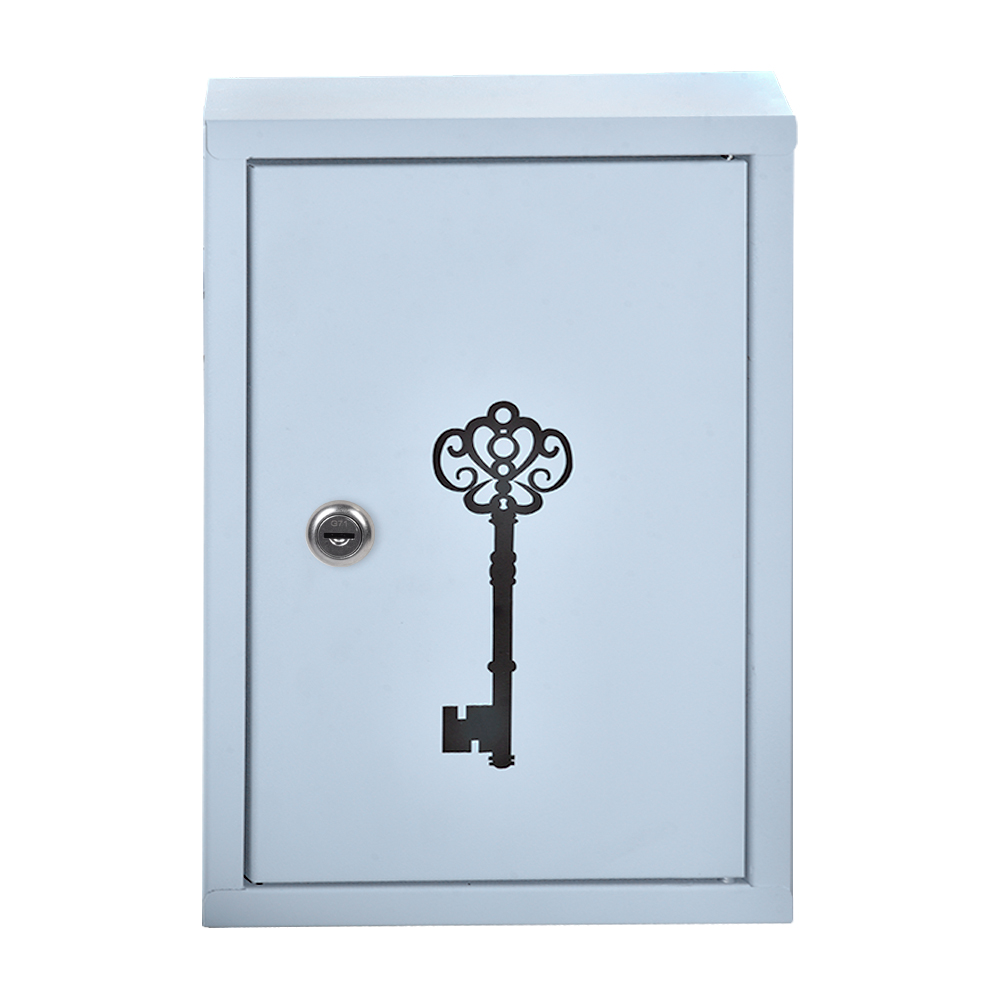
The most obvious benefit is improved security. Many key cabinets come with a locking mechanism, such as a traditional key lock, a combination lock, or even a more advanced electronic keypad. This feature is vital for businesses like property management firms, car dealerships, or facilities with restricted areas, as it prevents unauthorized access to important keys. Even at home, locking away spare keys can deter potential intruders who might look for easily accessible keys under a doormat or a flowerpot.
A key cabinet transforms a jumble of keys into a well-organized system. Each key has its designated hook, often accompanied by a tag for easy identification. This means you can quickly find the exact key you need without sorting through a messy drawer or a cluttered bowl. For organizations managing dozens or even hundreds of keys, this level of organization is not just a convenience—it's a necessity for efficient operations.
Think about the cumulative time spent searching for misplaced keys. A key cabinet eliminates this wasted time by creating a single, reliable storage spot. Knowing exactly where your keys are lets you get on with your day faster, reducing stress and improving punctuality. In a business context, this means employees can access the keys they need without delay, boosting productivity.
Key cabinets are built to last. They protect your keys from environmental factors like dust and moisture, which can cause rust and wear over time. By keeping keys safely enclosed, you prolong their life and ensure they function correctly when you need them. Quality cabinets made from materials like steel or solid wood provide a durable storage solution that will serve you for years.
Key cabinets are not a one-size-fits-all product. They come in various styles, materials, and with different locking mechanisms to suit a wide range of needs.
Type | Locking Mechanism | Best For | Pros | Cons |
Basic Cabinet | Key lock or latch | Home use, small offices | Simple, affordable, easy to use | Basic security, key can be lost |
Combination Lock | Mechanical dial or buttons | Shared access environments | Keyless entry, no lost keys | Combination can be forgotten |
Electronic/Digital | Keypad, biometric scanner | High-security areas, businesses | High security, audit trails, easy access | Requires power, higher cost |
Decorative Cabinet | Latch or simple lock | Home entryways | Aesthetically pleasing, functional | May offer less security |
These are the most common and straightforward types of key cabinets. They operate with a standard key and are an excellent choice for home use or small offices where high-level security isn't the top priority. They are simple to install and operate, offering a basic but effective way to keep keys organized and out of sight.
For environments where multiple people need access, a combination lock cabinet is a great keyless option. It eliminates the risk of losing the cabinet key and allows authorized individuals to access the keys using a shared code. This is ideal for offices, workshops, or family homes where several people might need to retrieve keys.
For maximum security, electronic key cabinets are the way to go. These often feature a digital keypad, and some high-end models even include biometric scanners for fingerprint access. Many electronic cabinets also provide an audit trail, logging who accessed the cabinet and when. These features make them perfect for businesses that require strict access control, such as hotels, hospitals, and large corporate offices.
If you want a key storage solution that blends seamlessly with your home decor, a decorative key cabinet is an excellent choice. Brands like Zenewood offer beautifully crafted wooden key cabinets that look like a piece of wall art. These cabinets combine functionality with style, providing an elegant way to keep your keys organized in your entryway or kitchen without sacrificing aesthetics.
Selecting the perfect key cabinet depends on your specific requirements. Here’s a guide to help you make the right choice.
First, count how many keys you need to store. It’s wise to choose a cabinet with more hooks than you currently need to accommodate future additions. Cabinets can range from holding just a few keys to several hundred, so there’s an option for every situation.
Consider the level of security you need. For storing spare house keys at home, a simple lock or even a non-locking decorative cabinet might suffice. However, for a business managing keys to sensitive areas, a robust cabinet with a high-security electronic or combination lock is essential.
Key cabinets are typically made from steel or wood. Steel cabinets offer superior security and durability, making them ideal for commercial and industrial settings. Wooden cabinets, like those from Zenewood, are often chosen for home use due to their aesthetic appeal. They are still durable and provide a stylish way to keep keys organized.
Decide where you will install the key cabinet. Most are designed to be wall-mounted, so you’ll need a suitable wall space. Ensure the location is convenient for those who need access but discreet enough if security is a concern. Check that the cabinet comes with the necessary mounting hardware and instructions for easy installation.
Finally, consider your budget. Prices for key cabinets can vary widely, from affordable basic models to more expensive high-security electronic systems. Determine how much you are willing to spend and find a cabinet that offers the best features and quality within your price range.
A key cabinet is a simple yet powerful tool for bringing order and security to your life. By providing a centralized and secure place for your keys, it eliminates the stress of last-minute searches and enhances the safety of your home or business. Whether you need a small, stylish box for your family’s keys or a large, high-security system for your company, there is a key cabinet out there that will meet your needs perfectly.
Ready to say goodbye to lost keys for good? Explore the range of key cabinets available and find the one that fits your lifestyle. Taking this small step toward better organization can make a big difference in your daily routine.


