
Views: 0 Author: Site Editor Publish Time: 2026-06-16 Origin: Site


Misplacing physical keys causes unnecessary stress and creates significant security vulnerabilities for property owners. When multiple people need access to a single building, handing out spare copies often leads to lost items and compromised locks. Implementing a structured key storage system eliminates this chaos completely.
Whether you manage a sprawling commercial facility or simply want a safe way for your dog walker to enter your home, organizing your access points streamlines daily operations. Upgrading your security hardware ensures that only authorized individuals can enter your premises. You can easily manage who comes and goes without the need to meet anyone in person.
This guide explores the most effective ways to manage physical keys and access cards. You will discover the practical differences between a standard keybox and a larger key cabinet. We will also examine how specific products, like a key box for wall with code, provide seamless entry for contractors, guests, and family members. By the end of this post, you will know exactly which hardware suits your daily security needs.
Understanding the distinction between these two primary storage systems helps you choose the right product for your specific needs. Both serve the same fundamental purpose, but they cater to vastly different scales of operation.
A keybox typically accommodates a small number of keys. These compact containers attach directly to an exterior wall or hang over a doorknob. They are built to withstand harsh weather conditions and usually feature a combination dial or push-button mechanism. According to standard residential security practices, a compact box is ideal for single-family homes, vacation rentals, and small retail shops where only a handful of people require access.
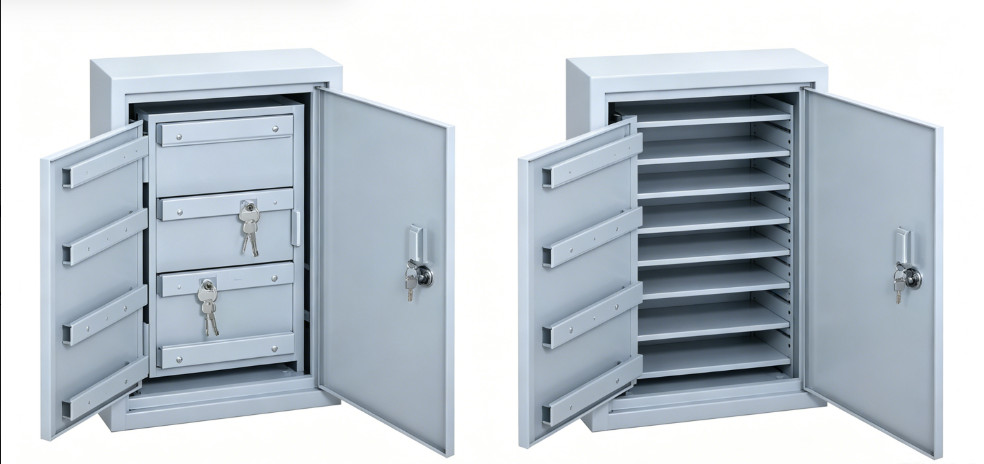
A key cabinet, on the other hand, handles high-volume storage. These heavy-duty steel enclosures mount securely to interior walls within offices, car dealerships, or property management backrooms. A standard cabinet features numbered hooks and colored tags, allowing administrators to track dozens or even hundreds of keys simultaneously. Choose a key cabinet if your daily operations require cataloging access to multiple vehicles, apartment units, or utility rooms.
For residential property owners, selecting the correct hardware depends entirely on your daily routine. If you host a short-term rental property, you need a system that allows guests to check in at any hour. If you run a bustling household with children coming home from school, you want a fail-safe method that prevents lockouts.
Companies like Zenewood specialize in durable metal products that blend functionality with modern aesthetics. You can explore their robust storage series at www.zenewood.com to find heavy-duty options designed for consistent daily use. Below is a breakdown of how different storage types compare.
Storage Type | Typical Capacity | Primary Locking Mechanism | Best Use Case |
|---|---|---|---|
Keybox | 1 to 5 keys | Combination dial or padlock | Single-family homes, vacation rentals |
Key Cabinet | 20 to 100+ keys | Keyed cylinder or digital keypad | Property management offices, car lots |
Key box for wall with code | 1 to 10 keys | Push-button or mechanical dial | Shared access points, contractor entry |
A key box for wall with code transforms how you grant property access. Instead of hiding a spare key under a doormat or a fake rock—which burglars check immediately—you place the key inside a reinforced steel or zinc-alloy chamber.
This specific type of lockbox offers mechanical reliability. Because it does not rely on batteries or Wi-Fi, it will not fail during a power outage. You simply set a personalized four-digit combination. When a plumber, real estate agent, or family member needs to enter the house, you provide them with the code. Once their task is complete, you can easily scramble the dials or reset the combination entirely to revoke their access.
Choose a key box for wall with code if temporary, revolving access matters more to you than tracking long-term employee usage. It provides a straightforward, weather-resistant method to keep your property secure without the hassle of duplicating physical copies for every visitor.
A basic key cabinet holding 20 to 30 keys generally costs between $30 and $60. Heavy-duty, commercial-grade cabinets that hold over 100 keys and feature advanced digital keypads can range from $150 to over $300.
Installing a wall-mounted unit takes approximately 10 to 15 minutes. You will need a power drill, masonry bits (if mounting to brick or stucco), and the mounting screws provided by the manufacturer.
Yes. Smart locks completely replace the traditional deadbolt and allow you to unlock the door using a smartphone app or fingerprint scanner. However, smart locks require batteries and technical setup, making a mechanical code box a more reliable backup option.
Facility managers, hotel operators, and auto dealership owners should purchase a high-capacity cabinet. It provides a centralized, organized location to secure critical assets, preventing operational delays caused by missing items.
Securing your property begins right at the front door. By implementing a reliable storage system, you eliminate the anxiety of misplaced keys and unauthorized copying. Whether you are outfitting a large commercial space or securing a single residential doorway, selecting durable metal hardware guarantees peace of mind for years to come. Look for trusted manufacturers like Zenewood to ensure your hardware withstands both extreme weather and daily wear and tear.
TL;DR: The most effective way to manage physical access is by matching your hardware to your capacity needs. Use a heavy-duty key cabinet to organize dozens of physical copies in a commercial office. For residential homes and vacation rentals, install a secure key box for wall with code to safely grant temporary entry to guests and contractors without compromising your primary locks.


